Family: Worlds and systems
Strategy AI game maker
A strategy AI game maker has to make rts and tower defense legible before it adds features. Strategy is a promise about information: the player should see the board, understand the cost and still be surprised by the next wave. The shelf is small: one squad RTS, two tower defenses and eight lane or unit wave games.
What makes a strategy game hold up?
A strategy game asks the player to commit before they have full information. The board has to be readable, the cost has to be clear, and the next wave has to punish a plan that ignored the map. Without those three, the game is a clicking contest.
This shelf is small and honest. Voidcall is the one squad RTS. Crystal Keep and Iron Line are tower defenses. The other eight are lane or unit-wave games built around placement, timing and a short run. There is no campaign, no tech tree and no multiplayer balance.
That is enough to test the first decision. Play Iron Line for placement, then Voidcall for unit commands. If the board does not tell you what to do next, the model has given you a strategy theme rather than a strategy loop.
Start with these builds
6 REAL BUILDS · NOT MOCKUPS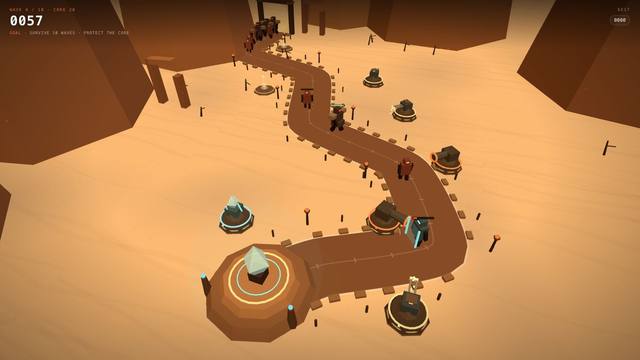
Iron Line
3DBuild gun, cannon and frost towers along a desert pass and hold ten waves against a crystal core.
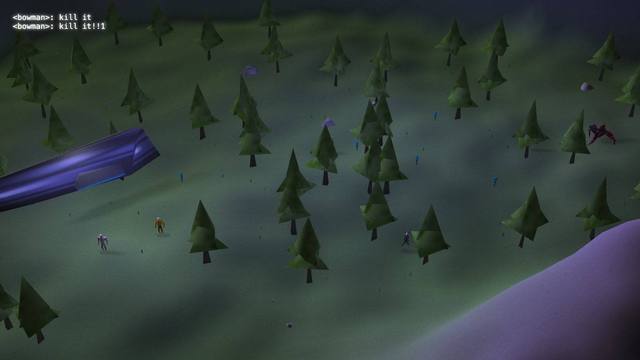
Voidcall
3DCommand a handful of survivors against an alien swarm in a 13 KB real-time strategy game.
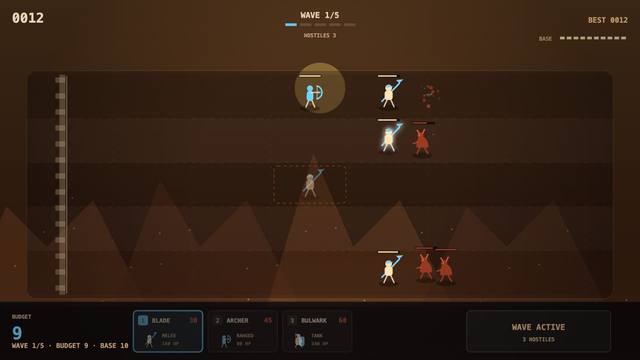
Wildwest Command
2DSet placements along a lane, then start the wave and watch whether your line holds.
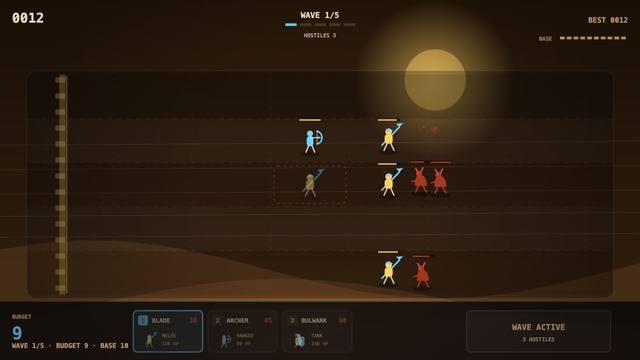
Desert Command
2DPlace along the lanes, start the wave, and hold the line as pressure shifts.
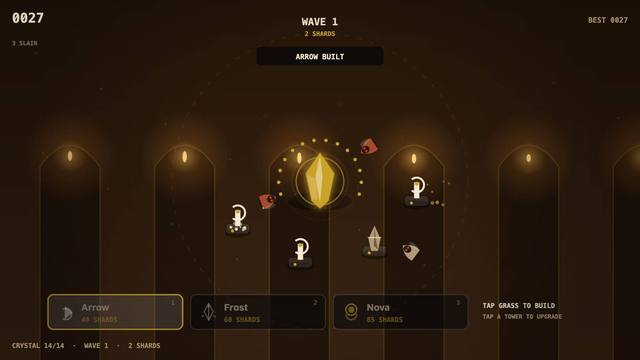
Crystal Keep
2DSet towers around the crystal and hold the arches as each wave arrives with more than the last.
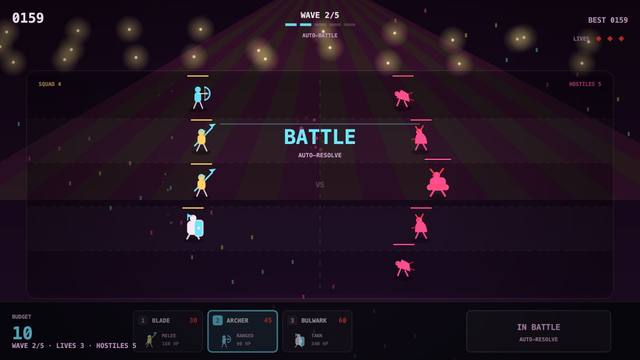
Carnival Command
2DPlace units around the carnival grounds, then start the wave and watch your layout hold or fail.
The six parts of a strategy game
Use these checks when the brief depends on placement and wave reading. They matter less for a narrative strategy game, where diplomacy and story carry more of the loop.
A readable board
The player should see lanes, cover, resources and the next wave without opening a menu. If the board is unclear, every decision is a guess.
An economy
A cost is a decision only if the player can compare it. A unit, a tower and an upgrade should compete for the same budget.
Placement
Where a unit stands is the strategy. If placement does not change the outcome, the game is a timing test with a map.
A wave
A wave is a question. The next one should test the answer the player just built, not repeat the previous question.
A counter
A counter gives the player a reason to change the plan. It can be a unit type, a lane or a height; it has to be visible before the commitment.
A recovery
A bad opening should not end the run immediately. The player needs one chance to read the mistake and change the plan.
The full strategy shelf
Browse all Strategy matches →| Build | Genre | Input |
|---|---|---|
| Iron Line | tower defense | mouse or tap |
| Voidcall | real-time strategy | mouse + keyboard |
| Wildwest Command | lane strategy | mouse or tap |
| Desert Command | lane strategy | mouse or tap |
| Crystal Keep | tower defense | mouse or tap |
| Carnival Command | strategy | mouse or tap |
| Arctic Command | wave strategy | mouse or tap |
| Volcanic Command | lane strategy | mouse or tap |
| Noir Command | unit strategy | mouse or tap |
| Ruins Command | lane defense | mouse or tap |
| Dream Command | unit placement strategy | mouse or tap |
| Tideline Front | strategy | mouse or touch |
| Crystal Watch | strategy | mouse or touch |
| Ironhold | tower defense | keyboard or touch |
| Riverhold | tower defense | keyboard or touch |
Swipe the table to see input.
Builds by subgenre
Where an AI strategy game generator stops
- Testing whether a board is readable before you add units.
- Comparing tower defense with lane and squad commands.
- Finding the first decision in a strategy brief.
- A full tech tree or campaign.
- Multiplayer balance and matchmaking.
- Long-session economy tuning.
- One squad RTS, two tower defenses, eight lane or wave games.
- No campaign and no multiplayer.
- Short runs, not a 4X or grand strategy game.
What strategy tool pages promise
Tool pages promise generated unit rosters, tech trees and balanced economies. An eleven-build shelf cannot prove a balance simulation. It can show you whether a board reads, whether placement matters and whether a wave asks a new question.
| Part | Tool pages promise | What this shelf gives you |
|---|---|---|
| Units and balance | Generated rosters, stats and counters. | Short placement and wave games plus one squad RTS. No tech tree and no balance spreadsheet. |
| Shelf scope | A claim to cover the whole genre. | RTS, tower defense, lane defense |
| What it cannot prove | A finished game in every mode. | A full tech tree or campaign. |
Swipe the table to read all three columns.
How matching works
The matcher starts with “strategy” and returns the closest playable build on this shelf. Read the matching method → Not sure which shelf fits?Open the genre map →
Three plans to compare
Iron Line
A 3D tower defense with a readable lane. Start here to test whether placement and wave timing can carry a short run.
Play the build →Voidcall
The one squad RTS on the shelf. Use it to see how unit commands read when the camera is low-poly and the pressure is real.
Play the build →Crystal Keep
A compact tower defense with towers and upgrades. Compare it with Iron Line to see how much of the loop is placement and how much is economy.
Play the build →Strategy questions
What counts as a strategy game here?
Strategy here is a board you must read before you commit: the cost is visible, the next wave is not. 15 builds cover one squad RTS, two tower defenses and eight lane or unit-wave games. There is no campaign, tech tree or multiplayer ladder, so the shelf tests the first decision rather than a grand campaign.
What is a strategy AI game maker?
This is an eleven-map command shelf, not a balance engine. Each build fixes the board and the unit set, so you can see whether placement is legible and whether a wave punishes a bad plan. The matcher returns one map from your brief, and you hold one wave before commissioning a tech tree.
Can I make a strategy game with AI?
Play Iron Line and place one tower before the first wave. The lane should tell you where the leak will happen, and the cost should make the choice real. Write that placement into the brief. A model can add units later, but it cannot balance a counter it has never seen you deploy.
Is there a strategy game generator?
No generator lives here. A tool page can promise rosters, stats and counters; the shelf shows eleven short boards and the exact wave where a placement fails. The missing part is the tech tree, the campaign and the multiplayer balance, and those are systems and tuning work rather than a prompt.
Are these strategy games free?
All eleven boards are free browser builds. No signup, no download and no ad gate; mouse and keyboard are the main inputs. Remix and export are not open yet. Play Iron Line first, because the shelf is for testing a placement, not for replacing a strategy game with a ladder.
Do browser strategy games work on a phone?
They work with mouse or keyboard, but a phone makes unit commands cramped. Iron Line is the best first test because the lane is readable; Voidcall needs a larger screen when the camera drops toward the squad. Check the selection controls before you judge the command.
Which strategy games should I play first?
Begin with Iron Line for the lane placement, then Voidcall for the squad command. Crystal Keep adds an upgrade economy, and the lane games add wave timing. Two boards are enough to see whether the shelf is testing a decision or just a theme; note which leak you would brief.
Sources and definitions
- Strategy video gameWikipedia: the genre and its decision layers.
- Game balanceWikipedia: costs, counters and tuning.
More shelves in this family
The Strategy shelf covers RTS, tower defense, lane defense. Start with Adventure, then compare the rest of the family.